
Hebei Airport Starlink Counter-UAS Case Study
Sometimes the drone is not the hardest part. The link is. A regional airport in Hebei, sitting inside the busy Beijing–Tianjin–Hebei corridor, ran into that...
MORE DETAILS
Sometimes the drone is not the hardest part. The link is. A regional airport in Hebei, sitting inside the busy Beijing–Tianjin–Hebei corridor, ran into that...
MORE DETAILS
The Operational Gap Nobody Wanted to Talk About Close protection teams face a quiet but growing threat: commercially available Starlink terminals being used to track...
MORE DETAILS
Project Background and the Real Pain Points A border patrol unit operating in mountainous, sparsely populated terrain had a growing problem: unauthorized Starlink terminals were...
MORE DETAILS
The Problem: Rogue Ku-Band Signals A research campus in Shenzhen handles sensitive RF and semiconductor work. In early 2025, teams noticed intermittent interference on their...
MORE DETAILS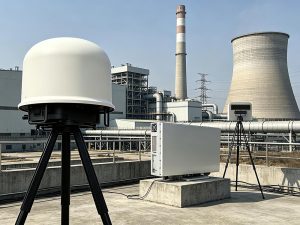
Project Background & Challenge A 1,200 MW thermal power plant in Guangxi, China, started seeing unauthorized drone flights near its turbine hall and 220 kV...
MORE DETAILS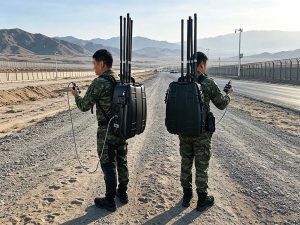
Project Background and Pain Points A PLA ground unit based in Yuxi, Yunnan, needed a way to stop small drones that relied on Starlink terminals...
MORE DETAILS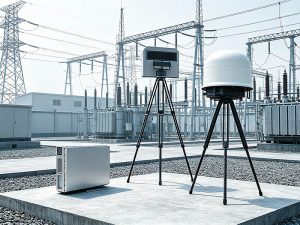
When a Hebei power station recorded several drone overflights that ignored traditional RF jammers, the security staff knew the threat had changed. The drones were...
MORE DETAILS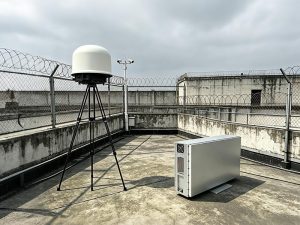
Project Background and Pain Points In 2024, guards at a correctional facility near the Mongolian border found a smuggled Starlink terminal taped behind a window...
MORE DETAILS
Project Background and Pain Points The Jiangxi Provincial Meteorological Center operates multiple ground stations that receive Ku-band data from geostationary weather satellites. In early 2025,...
MORE DETAILS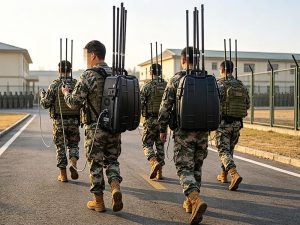
When a forward unit stationed near Chifeng, Inner Mongolia, first identified unauthorized Starlink terminals operating inside their area of responsibility, the existing electronic warfare kit...
MORE DETAILS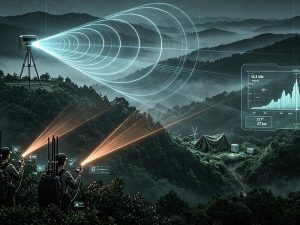
Background and Pain Points Along a remote, heavily wooded border sector, smuggling networks had switched to Starlink terminals as their primary coordination tool. Compact, battery-powered...
MORE DETAILS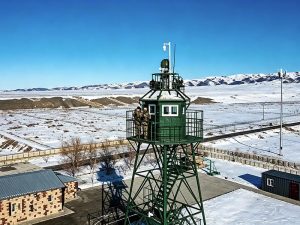
Background and Pain Points Along a remote stretch of China’s western frontier, a border defense unit kept running into the same frustrating problem. Smuggling networks...
MORE DETAILS
Project Background and Pain Points The electromagnetic security team at a high-value government compound had a problem that off-the-shelf spectrum analyzers couldn’t solve. Unauthorized Starlink...
MORE DETAILS
Project Background and Pain Points Protection details for high-profile principals have always worried about remotely triggered threats. What changed in the last two years was...
MORE DETAILS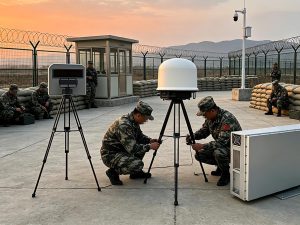
Project Background and Pain Points Along the rugged, densely forested border in Yunnan province, field units were increasingly confronted with a new electronic threat—unauthorized Starlink...
MORE DETAILS
Starlink signal jammer BNT-SLJ900: 10.7–12.7 GHz, 120W CW, 20 dBi, 3.2 km LOS range, 500W power. Authorized use only.
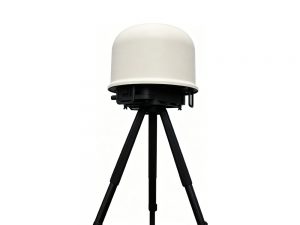
Starlink Jamming System BNTSLJ600: 10.95-12.75GHz, ≥500MHz BW, 8+ frequencies, 60dBW ERP. For EMSEC, border & military.
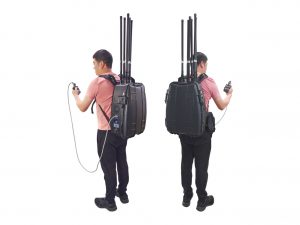
The BNT-S900-B8 Backpack Starlink jammer delivers multi-band disruption with 50W per channel, covering S, C, Ku & GNSS. Battery lasts...
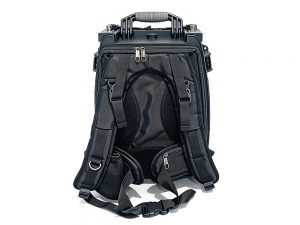
Portable Backpack Starlink Jammer BNT-S900-B1 covers 10.7–12.7GHz, 47dBm output, 8 freq points, 90-min battery. Tactical Ku-band interference for field operations.