Project Background and the Real Pain Points
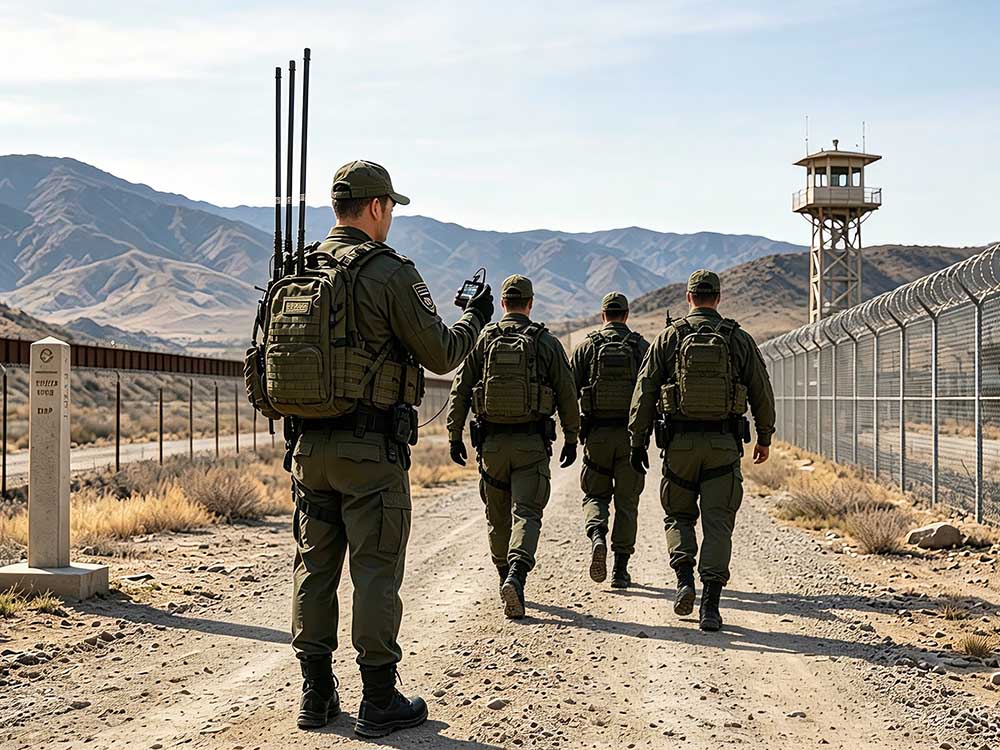
A border patrol unit operating in mountainous, sparsely populated terrain had a growing problem: unauthorized Starlink terminals were popping up along known smuggling routes and temporary crossing points. Criminal networks used the satellite links to coordinate movement, share real-time surveillance of patrol positions, and trigger remote relays. The terminals were small, easy to hide, and nearly impossible to track down quickly with conventional direction-finding gear alone.
Fixed jamming installations were not a realistic option. The terrain made permanent coverage gaps inevitable, and vehicle-mounted racks couldn’t reach ridgelines, narrow valleys, or areas with no road access. The unit needed something a single operator could carry on foot, set up in minutes, and use to knock out a satellite link without waiting for a support team.
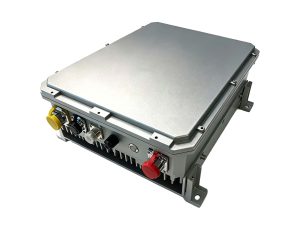
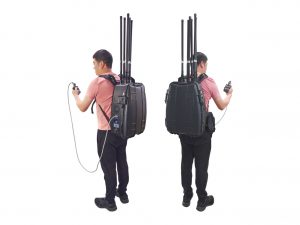
The answer was the BNT-S900-B8 Backpack Starlink Jammer.
Procurement and Module Configuration
The unit acquired 10 BNT-S900-B8 Backpack Starlink Jammers to cover multiple patrol sectors and rapid-response teams. Each system shipped ready to run with:
-
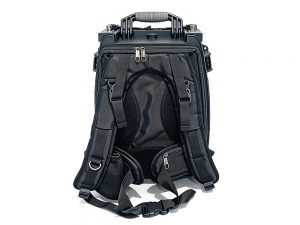
BNT-S900-B8 main unit pre-installed in an ergonomic backpack frame
-
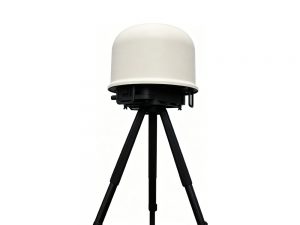
Eight full-band omnidirectional antennas
-
External wired controller and interface cable
-
AC charging adapter and ruggedized power cord
Two optional hot-swap battery packs and one directional antenna kit per system were also added to extend mission time and stand-off range in open terrain.
The BNT-S900-B8 packs eight independent 50 W channels driven by a software-defined radio exciter. It covers S-band, C-band, Ku-band, and GNSS L1/L2/L5 bands. The built-in 29.4 V / 30 Ah Li-ion battery provides 60–90 minutes of continuous output, and the forced-air cooling keeps the unit stable at full load.
Field Results and Performance Data
During a three-month operational evaluation, the 10 backpack jammers were deployed across 47 patrol missions and static checkpoint operations. The results gave the unit a much clearer picture of what portable Starlink denial could do in rough terrain.
-
Interception speed: Average time from target detection to confirmed link disruption was 21 seconds using the external controller to select the correct band.
-
Omnidirectional isolation: In open border zones, full-band whip antennas created reliable denial bubbles between 800 and 1,200 meters, well within the 1–1,500 m specified range.
-
Directional stand-off: On two occasions, operators used the compact high-gain directional antennas to suppress a Starlink terminal at 4.8 km and 5.2 km line-of-sight, matching the 5 km stand-off claim.
-
Battery endurance: At mixed output levels, the stock battery averaged 82 minutes of run time. With one hot-swap spare, teams extended field operations to roughly 150 minutes without returning to a vehicle.
-
Mobility: The 16 kg pack weight (without antennas) allowed operators to cover 8–10 km on foot in rugged terrain without mission-aborting fatigue. No thermal shutdowns or RF faults were reported during the evaluation.
The most common targets were unauthorized Ku-band downlinks and uplinks in the 10.7–12.75 GHz range. The SDR exciter’s ability to shape interference waveforms on the fly kept collateral interference to other nearby systems low, which mattered because the patrol unit operated close to civilian communication corridors.
Project Value
The deployment changed how the border unit approached electronic defense. Instead of requesting vehicle support or waiting for a fixed installation, a two-person team could now carry jamming capability into areas that had previously been open to satellite-coordinated criminal activity.
Key operational gains included:
-
True grab-and-go response: Patrol leaders could task a single operator with a backpack jammer in under two minutes.
-
Multi-band flexibility: The same platform handled Starlink denial and GNSS disruption without swapping hardware.
-
Reduced infrastructure cost: Ten portable units covered more terrain than a fixed-site proposal, at a fraction of the build-out expense.
-
Future scalability: The SDR architecture allowed frequency and waveform updates in the field, so the unit wasn’t locked into one threat profile.
For any border security force dealing with unauthorized LEO satellite terminals, the BNT-S900-B8 delivered exactly what the spec sheet promised: high power, real portability, and quick disruption when a fixed installation simply isn’t an option.