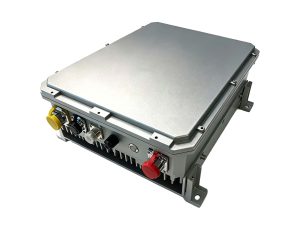
During handover training, we teach every operator crew a quick “common-sense” checklist that doesn’t require opening the case or pulling out test gear. It usually goes in three steps.
Step one: check the power and alarm LEDs. This is the most direct. The panel normally has three sets of lights: power, RF enable, and VSWR/over-temp alarm. If the power light is off, don’t panic. First, just touch the casing of the AC/DC power module—is it even slightly warm? A lot of field failures are simply the generator running out of fuel or a surge protector tripping. If the VSWR alarm is blinking, try tightening the connectors at both ends of the antenna feeder cable. Most of the time it’s just a connector that worked itself loose from vibration during transport.
Step two: glance at the built-in spectrum analyzer display. Our portable units and cabinets all have a maintenance port. Hook up the supplied ruggedized tablet and open the simple spectrum view. If you can’t see the expected transmit envelope, or the power spectral density is way below normal, it means the RF chain is broken somewhere. Common causes: a feeder cable chewed by rodents and full of water, or a sudden metal obstruction in front of the antenna (like a truck parked right in the beam path). If the spectrum looks flat but the nearby terminals aren’t dropping offline, widen the frequency span a bit and check whether there’s a strong new signal source nearby. You might be getting jammed first, or the local spectrum authority might have fired up a new base station.
Step three: run the “built-in dummy” test. Every system we ship has a tiny self-test signal source hidden inside the chassis. In the menu, click “Built-in Self Test”. It emits a weak simulated Starlink receive signal and then checks whether the jammer’s own detection chain responds. If the self-test passes, your signal processing chain and power amp are fine. The problem is likely antenna pointing or something on the target terminal side. Then you need to verify the antenna angles and the actual position of the target.
A word of caution: we strongly advise against opening the cabinet cover in the field. There are high-voltage capacitors inside that can hold a residual charge for a long time after power-off. If these three steps don’t resolve the issue, connect to our encrypted network and let us look at the logs. We can remotely pinpoint the fault most of the time and tell you exactly which module to swap out with a spare.