A portable vs fixed Starlink jammer comparison reveals distinct trade-offs in power, mobility, and deployment speed. Understanding these differences helps security teams, researchers, and regulatory bodies evaluate jamming modules for controlled environments. This guide breaks down five critical factors without endorsing illegal use.
Why the Comparison Matters
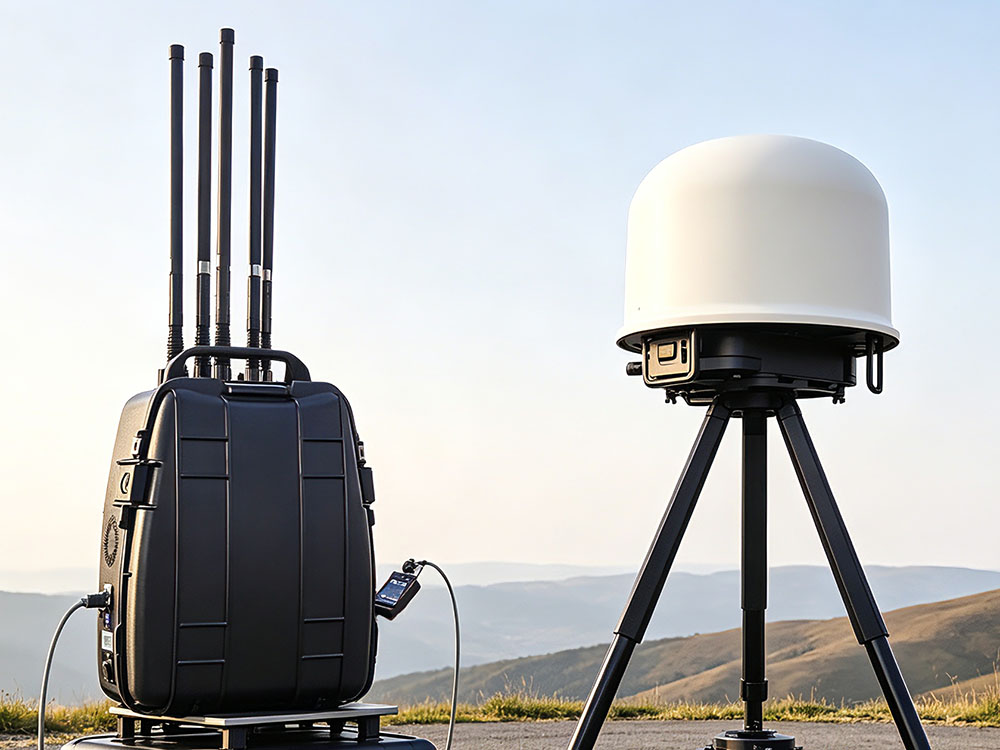
Not all Starlink jammers serve the same operational role. A portable unit prioritizes quick relocation and covert use, while a fixed installation focuses on sustained output and wider coverage. The portable vs fixed Starlink jammer comparison below highlights where each type excels.
Operators often ask which design works better in remote field tests versus permanent facility shielding. The answer depends on target signal strength, terrain, and legal authorization. A portable module can be carried into difficult terrain, while a fixed array can be optimized with directional antennas and cooling systems.
Key Factors in a Portable vs Fixed Starlink Jammer Comparison
Power and Range
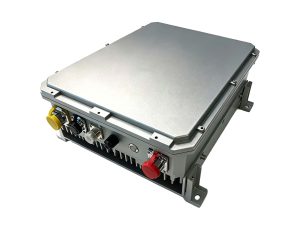
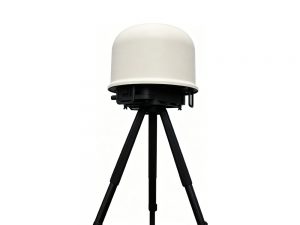
In any portable vs fixed Starlink jammer comparison, ERP output is the most visible differentiator. Fixed jammers typically deliver 50–200 W effective radiated power (ERP). They can cover a radius of 500–1,500 meters in open terrain. Portable units usually output 10–50 W, limiting range to 100–300 meters. For large perimeters, fixed systems are far more practical.
Mobility and Setup
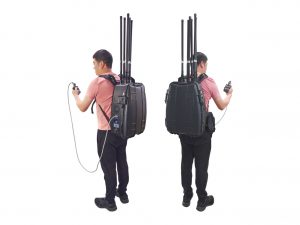
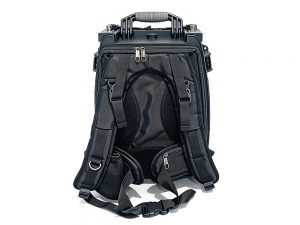
Portable modules weigh 2–8 kg and fit in a backpack. Setup takes under five minutes with omnidirectional antennas. Fixed systems require mast installation, cooling, and AC mains—often a two-person job lasting hours. This makes fixed units better for permanent sites, while portable versions suit rapid-response or temporary operations.
Power Supply
Portable jammers run on lithium batteries for 1–4 hours. Fixed versions use grid power or generators, enabling 24/7 operation. In off-grid locations, portable units may be the only feasible option, but battery swaps and recharge cycles limit continuous use.
Legal and Compliance Notes
In most countries, jamming Starlink frequencies is illegal without government authorization. The FCC and ITU enforce strict penalties. Always consult local spectrum regulators before testing any jammer module. For more details, visit the FCC jammer enforcement page or the ITU spectrum monitoring resource.
Portable vs Fixed Starlink Jammer Comparison: Side-by-Side Table
Below is a concise table comparing key specifications.
| Parameter | Portable Starlink Jammer | Fixed Starlink Jammer |
|---|---|---|
| ERP Output | 10–50 W | 50–200 W |
| Range | 100–300 m | 500–1,500 m |
| Weight | 2–8 kg | 20–80 kg |
| Setup Time | <5 minutes | 2–4 hours |
| Power Source | Battery (1–4 hrs) | AC/Generator (24/7) |
| Mobility | High | Low |
| Cost per Unit | $2,000–$8,000 | $15,000–$60,000 |
For a deeper look at signal propagation and antenna design, check our Starlink downlink analysis guide.
Final Verdict on the Portable vs Fixed Starlink Jammer Comparison
Choose a portable unit when rapid deployment, discretion, and short missions matter. Select a fixed system for persistent perimeter denial or infrastructure protection. The portable vs fixed Starlink jammer comparison ultimately hinges on your authorized operational requirements, budget, and site access. Always verify spectrum compliance before procurement.