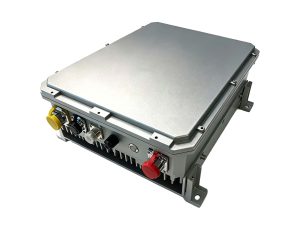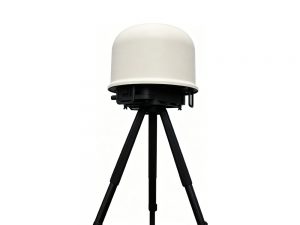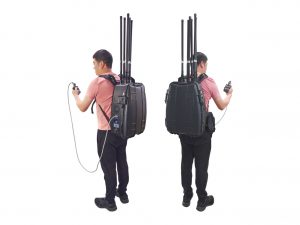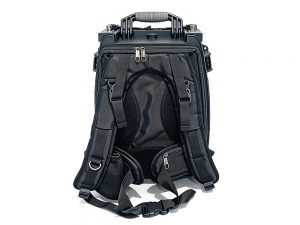
A Backpack Becomes a Spectrum Tool
Special forces have a new wish list item. It is not a rifle or a drone. It is a manpack Starlink jamming system.
The idea is simple. A small team carries a compact electronic warfare package. The system detects satellite links, monitors them, and—when authorized—disrupts selected signals in a narrow area.
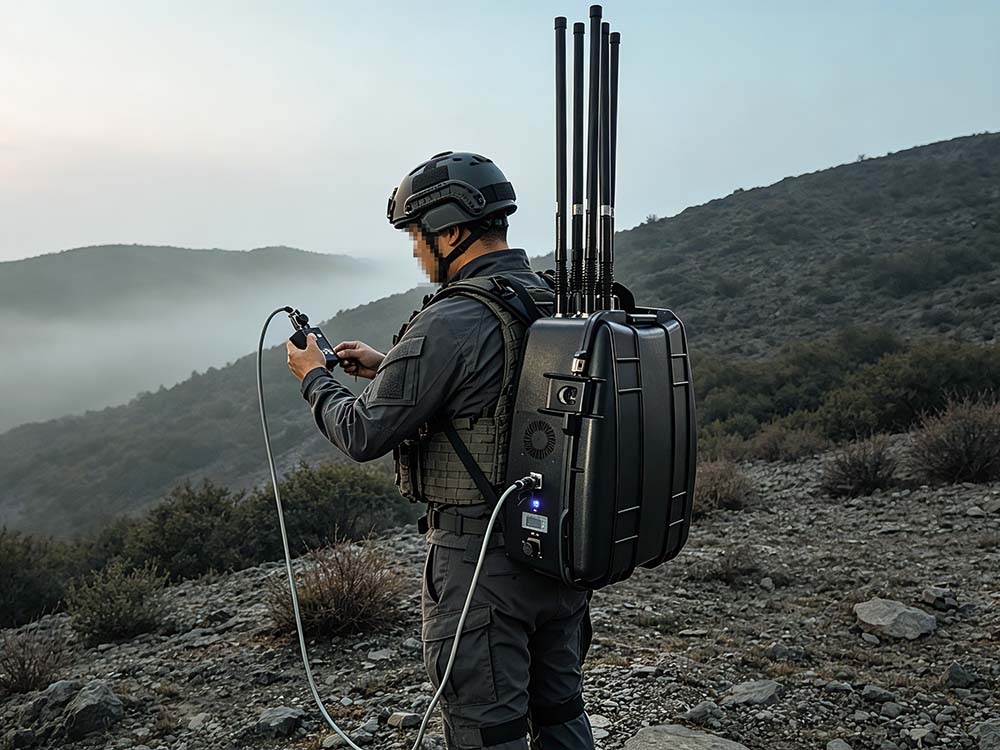
This is not about one company or one constellation. It is about denying an adversary’s ability to stay connected on the move.
Why LEO Satellites Change the Math
Low-earth-orbit services like Starlink are difficult targets. Their satellites move quickly. Their beams are narrow. Their signals can hop across frequencies.
A portable jammer cannot simply blast power upward. It must find, follow, and affect a moving link. That demands software-defined radios, good antennas, and strong signal intelligence.
For special forces, the challenge is even harder. They operate on foot, with limited battery power and little margin for error.
What Buyers Are Asking For
Procurement teams are not looking for a single-purpose jammer. They want a modular system that can detect, record, and protect friendly communications.
| Requirement | Why it matters | Trade-off |
|---|---|---|
| Lightweight chassis | Fits existing dismounted loads | Less power and cooling |
| Directional antennas | Better gain against LEO links | Slower setup |
| Quick-burst modes | Reduces detection risk | Lower total effect |
| Open software | Updates against new signals | Integration burden |
| Rugged tablet | Simple operator control | Added weight |
The table shows the central tension. Every capability adds kilograms. Every kilogram affects mobility.
The Weight vs. Power Problem
A manpack Starlink jamming system for special forces must balance three things: power, endurance, and signature.
High-power jamming drains batteries fast. It also creates heat. Antennas can make a team more visible.
Vendors are responding with burst modes, thermal management, and low-probability-of-intercept designs. The goal is not continuous jamming. The goal is a short, decisive window.
Training Remains the Bottleneck
Equipment is only part of the puzzle. Operators must understand spectrum rules, rules of engagement, and deconfliction.
They must know when not to jam. Disrupting civilian or allied links can create strategic problems.
Several militaries are adding electromagnetic spectrum operations to special forces courses. But qualified instructors are scarce. Good software helps, but it does not replace trained judgment.
Testing Under Realistic Conditions
Field tests matter as much as lab data. Units need to train against live LEO terminals, moving vehicles, and urban clutter.
Instrumentation records power, duration, and collateral effects. This is expensive. Few ranges have commercial LEO simulators, so realism remains a challenge.
Legal and Export Controls
Jamming satellite transmissions is tightly regulated. National telecommunications laws, international agreements, and treaty obligations all apply.
Suppliers market these systems for authorized defense, law enforcement, and test-range use. Export controls require documented end users, training plans, and safeguards.
For special forces, the line between electronic protection and electronic attack is often a matter of authorization, not technology.
Industry Roadmap
Vendors are working on gallium nitride amplifiers, AI-assisted signal classification, and modular antennas. The aim is lower size, weight, and power.
But AI also raises trust issues. Operators need explainable alerts, not black-box decisions. Human judgment remains central.
A Niche With Strategic Value
The manpack Starlink jamming system will not replace vehicle-mounted systems. It is too limited in power and duration.
But it fills a gap. It gives small teams a way to create local spectrum advantage without a large logistics tail.
The next phase will likely bring smaller software-defined payloads, open architectures, and tighter integration with tactical radios. If that happens, the backpack may become as important as the radio it is meant to silence.
Bottom Line
For special forces, this is not a silver bullet. It is a niche tool for short missions. Its success depends on training, law, and spectrum intelligence.