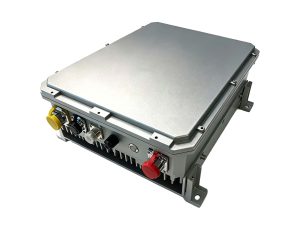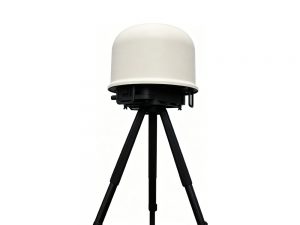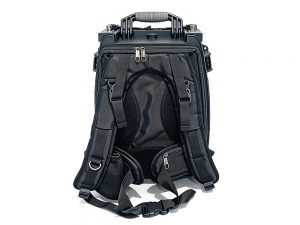
A satellite internet disruption system is any RF-based assembly designed to interfere with satellite broadband uplinks or downlinks. Such systems draw attention from defense researchers, spectrum regulators, and security engineers. However, the gap between theoretical design and field deployment remains massive.
What Defines a Satellite Internet Disruption System?
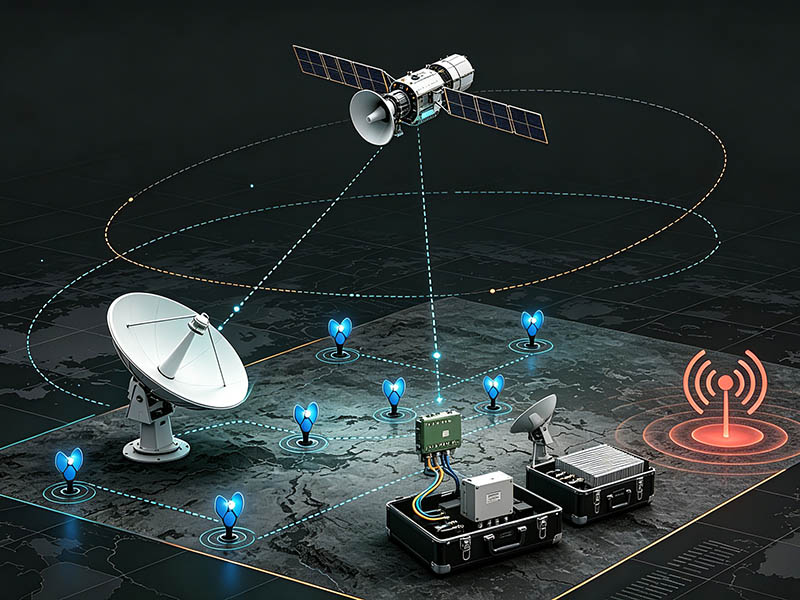
A satellite internet disruption system typically combines directional antennas, high-power amplifiers, and waveform generators. Operators may target user terminal downlinks, gateway uplinks, or satellite crosslinks. Unlike terrestrial jammers, these systems must overcome high path loss, adaptive modulation, and spot-beam isolation. Most civilian interest in this topic is driven by curiosity or compliance testing, not actual deployment.
Core Modules Inside a Satellite Internet Disruption System
The table below outlines common jammer module categories found in conceptual designs.
| Module Type | Primary Function | Typical Output | Regulatory Status |
|---|---|---|---|
| Signal generator | Create interference waveform | Milliwatt-level | Restricted |
| Power amplifier | Boost RF output | 10–1000 W | Controlled |
| Directional antenna | Focus energy on target | 20–40 dBi gain | Controlled |
| Control unit | Frequency and timing management | N/A | Restricted |
Each module requires export-controlled components. Assembling such a system without authorization violates spectrum and trade laws.
Technical Barriers to Effective Disruption
Modern LEO and MEO constellations use dynamic beamforming and rapid satellite handoffs. A fixed jammer sees only a short visibility window. Phased-array terminals can null out interference from specific directions. Adaptive coding and modulation let links shift to less congested frequencies. These features make a satellite internet disruption system far less effective than many assume.
Legal Consequences of Operating a Satellite Internet Disruption System
Intentional interference with licensed satellite services is illegal under FCC and ITU rules. Penalties can exceed $100,000 per violation, with equipment seizure and criminal prosecution. Regulators treat jamming as a public safety threat because satellite internet supports emergency services. See the FCC interference regulations and ITU spectrum enforcement for current rules. Even possessing jammer hardware with intent to interfere can trigger enforcement.
Detecting a Satellite Internet Disruption System
Satellite operators deploy geolocation tools that measure time-difference-of-arrival and signal strength. A jamming source emits a continuous RF signature that sensors can triangulate within seconds. Modern monitoring networks share data across operators.
Legitimate Alternatives and Authorized Uses
Authorized testing labs use shielded enclosures and RF-absorbing materials to simulate interference without radiating outside. Military operators may use jamming under strict rules of engagement. For civilian needs, spectrum coordination, physical shielding, and regulatory complaints offer safer paths. Requesting frequency changes or relocating terminals often solves interference complaints without illegal jamming.
Conclusion
Such a system may seem straightforward in theory, but real-world deployment faces powerful technical and legal barriers. Focus on compliant spectrum management and shielded testing to meet operational goals without severe penalties.