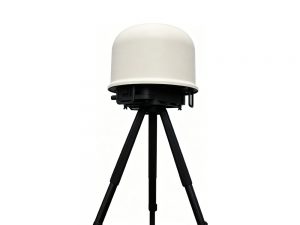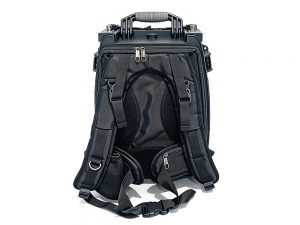
A Starlink jammer is a radio frequency device designed to intentionally disrupt the communication link between SpaceX’s Starlink satellites and the user terminals on Earth. As satellite internet expands globally, understanding this threat becomes essential.
What Is a Starlink Jammer?
At its core, a Starlink jammer is an illegal transmitter that emits interfering signals on the same frequency bands Starlink uses—primarily in the Ku, Ka, and E bands. Unlike common GPS jammers that target navigation signals, this device must overpower high-bandwidth data streams to cause a denial of service. These systems are not sold commercially; they typically appear in conflict zones or among entities seeking to block satellite-based communication. To better understand the underlying network, you can read our guide on how satellite internet works.
How a Starlink Jammer Operates
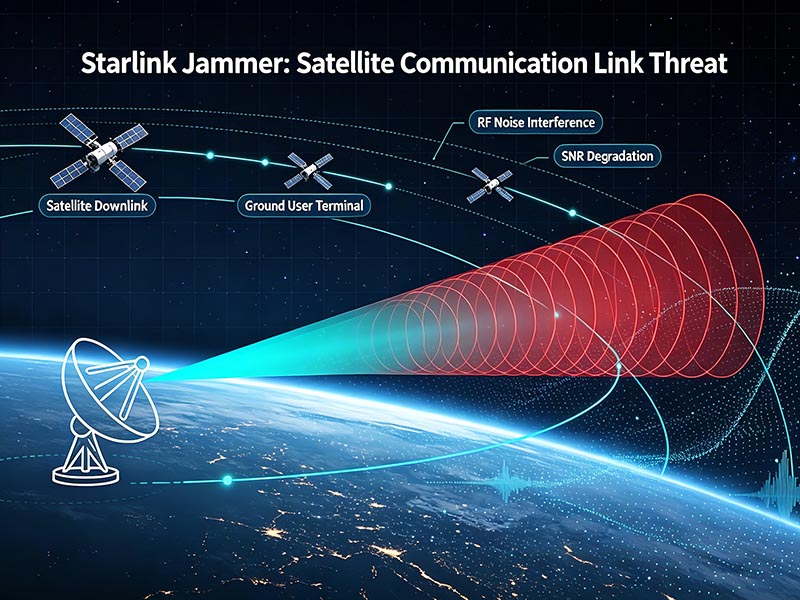
A Starlink jammer works by generating a powerful radio noise signal that overwhelms the weaker satellite downlink. User terminals (often called “Dishy”) require a clear line of sight and precise synchronization. When a nearby jammer activates, it raises the noise floor, making it impossible for the terminal to decode the data coming from space. The concept is rooted in basic radio jamming principles , although the high frequencies involved make the hardware more complex.
Is a Starlink Jammer Legal?
The simple answer is no. Manufacturing, selling, or using any equipment that intentionally blocks authorized communications is strictly prohibited in virtually every country. In the United States, the Federal Communications Commission states that such devices violate federal law. This applies equally to any hardware built to disrupt Starlink’s frequencies. Penalties include heavy fines and potential jail time. You can review the official FCC jammer enforcement policy for more details.
Starlink Jammer vs. GPS Jammer: Quick Comparison
The table below highlights how a Starlink jammer differs from the more widely known GPS jammer.
| Feature | Starlink Jammer | GPS Jammer |
|---|---|---|
| Target Frequency | Ku, Ka, E bands (10–30 GHz+) | L band (1.1–1.5 GHz) |
| Primary Target | Two-way satellite broadband | One-way navigation signals |
| Complexity | High (must handle beamforming) | Low (narrowband noise) |
| Typical Use | Military, conflict zones | Privacy, vehicle theft |
Can You Detect a Starlink Jammer?
Detecting these jammers usually requires spectrum monitoring equipment. Since Starlink terminals report signal‑to‑noise ratios, a sudden drop across wide frequency ranges can indicate jamming. Advanced detection networks triangulate the source, helping authorities enforce the ban on such devices.
Understanding what a Starlink jammer is and why it is illegal helps businesses and individuals protect their connectivity and remain compliant with international regulations.