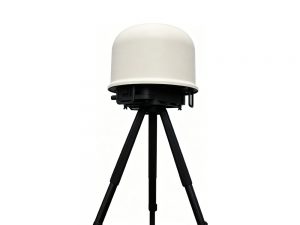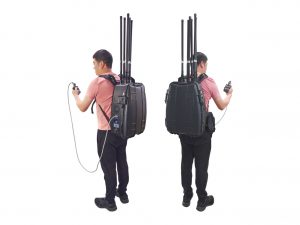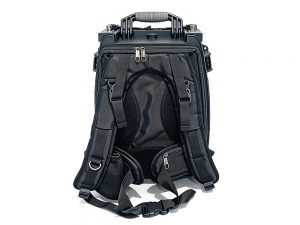
The satellite connectivity market is expanding fast. So is regulatory scrutiny of devices designed to interfere with it. As Starlink becomes embedded in maritime operations, aviation, mining, remote energy sites, and emergency response, the legality of Starlink jammers by country has shifted from a niche spectrum question to a practical compliance issue for operators.
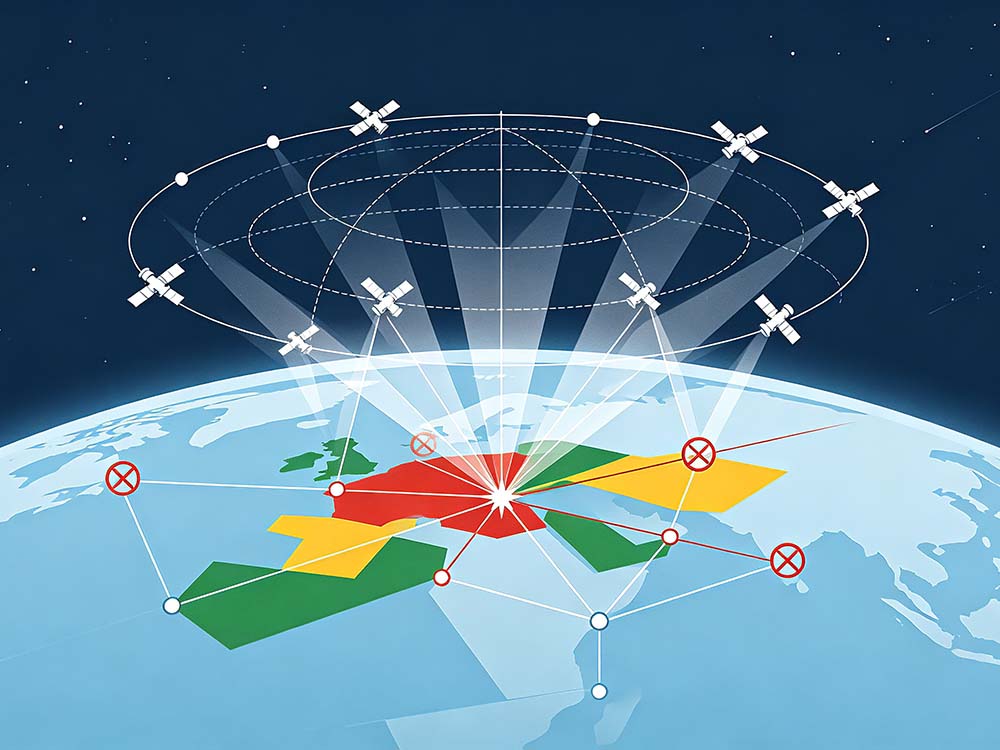
The short answer is blunt: there is no licensed consumer “Starlink jammer.” The term generally refers to third-party RF devices that intentionally disrupt Starlink communications. In nearly every major jurisdiction, private jamming is illegal. Government and military exceptions exist in some countries, but they do not create a private right to buy, import, possess, or operate jamming equipment.
The Global Baseline: No Licensed Consumer Jammer
Starlink terminals transmit and receive on regulated satellite bands. Under the International Telecommunication Union (ITU) framework, administrations are expected to prevent harmful interference. National telecom and radio laws then implement that principle.
That means a private Starlink jammer usually violates several rules at once:
-
Unauthorized transmission on protected spectrum
-
Harmful interference with licensed satellite services
-
Illegal import, sale, or possession of prohibited radio equipment
-
Potential interference with aviation, maritime, emergency, and navigation signals
SpaceX does not sell a “Starlink jammer.” The phrase is commonly used for third-party devices that attempt to block, degrade, or spoof Starlink signals.
Country-by-Country Legality Snapshot
| Country/Region | Lead Regulator | Private Use of Starlink Jammers | Enforcement Notes |
|---|---|---|---|
| United States | FCC | Prohibited | Sale, import, marketing, and operation are banned; federal government exceptions only. Fines and possible criminal penalties. |
| Canada | ISED | Prohibited | Possession, import, sale, and use are restricted; limited government exceptions. |
| United Kingdom | Ofcom | Prohibited | Wireless Telegraphy Act offences; equipment seizure, fines, and possible imprisonment. |
| European Union | National regulators | Prohibited | National telecom and radio laws apply; penalties vary by member state. |
| Australia | ACMA | Prohibited | Supply, possession, and use are banned; active enforcement and public warnings. |
| Japan | MIC | Prohibited | Unlicensed jamming is illegal; fines and imprisonment are possible. |
| Brazil | Anatel | Prohibited | Uncertified jamming equipment is illegal; fines and seizure are common tools. |
| India | WPC / DOT | Prohibited | Strict licensing rules; unauthorized jamming can create criminal liability. |
| China | MIIT | Prohibited | Severe administrative and criminal penalties; narrow state security exceptions. |
| Russia | SCRF / Roskomnadzor | Restricted | Civilian jamming is illegal; state and military interference has been reported in conflict zones. |
| UAE | TDRA | Prohibited | Strict radio equipment rules; fines, confiscation, and license action are possible. |
| International waters | Flag/port state + ITU | Generally prohibited | No private right to jam; vessel flag and port state rules apply. |
Why Regulators Are Tightening Enforcement
Several forces are converging in 2026.
First, satellite broadband is no longer a backup service. It supports real-time vessel tracking, remote medical links, automated mining systems, and aviation connectivity. Interference can create safety and operational risks that regulators cannot ignore.
Second, enforcement technology is improving. Spectrum monitors, satellite interference reports, and cross-border coordination make it harder to hide jamming activity. Customs agencies are also increasingly alert to jamming equipment moving through e-commerce and freight channels.
Third, the legal market is growing. Licensed satellite operators pay for spectrum access and expect protection. When a private jammer degrades Starlink or adjacent services, regulators face pressure from both satellite operators and terrestrial users.
State Exceptions and Conflict Zones
In conflict zones, electronic warfare has made Starlink interference a visible topic. Reports from Ukraine, Russia, and the Middle East have highlighted state and military jamming capabilities.
However, state use does not legalize private use. A government may have limited authority to jam under national security or defense rules. A commercial fleet, mining company, or individual user does not inherit that authority by operating in the same region.
Export controls add another layer. Jamming equipment can be treated as a controlled item. Shipping it across borders may violate export, customs, or sanctions rules even before it is switched on.
Compliance Risks for Commercial Operators
For fleets, offshore operators, and remote industrial sites, the risk is not only a fine.
-
Seizure: Regulators and customs authorities can confiscate jamming devices.
-
Criminal exposure: Some countries treat serious interference as a criminal offence.
-
License risk: Telecom licenses and operating permits may be reviewed or revoked.
-
Contractual risk: Starlink and other service terms prohibit interference with the network or other users.
-
Insurance and liability: Interference incidents can trigger claims, delays, and reputational damage.
A practical compliance program should include RF equipment audits, crew training, procurement controls, and clear reporting channels for suspected interference. When interference is detected, operators should report it to the relevant regulator and the satellite provider rather than attempt to “counter-jam.”
What to Watch in 2026
Regulators are expected to focus on three areas:
-
Equipment certification — tougher checks on radio products entering national markets.
-
Cross-border enforcement — more cooperation on jamming devices sold online or shipped through free-trade zones.
-
Satellite interference reporting — faster sharing of interference data between operators and authorities.
For the satellite industry, the direction is clear: Starlink jammers are not becoming a legal consumer product. They are becoming a higher-risk compliance item.
FAQ
Are Starlink jammers legal anywhere for private use?
No major market has legalized private Starlink jamming. Some governments claim narrow exceptions, but those do not apply to ordinary users or businesses.
Is owning a jammer illegal if I never turn it on?
In many countries, yes. Possession, import, sale, and distribution can be separate offences from actual operation.
Do Starlink jammers affect only Starlink?
No. Jamming devices can interfere with other satellite services, microwave links, and navigation signals, which is why regulators treat them as a broad spectrum risk.
Can I use a Starlink jammer in international waters?
Generally no. Vessel flag state rules, port state rules, and ITU principles still apply. International waters are not a legal loophole for private jamming.
What penalties are common?
Fines, equipment seizure, license suspension, and in some cases imprisonment. Penalties vary widely by country.
Bottom Line
The legality of Starlink jammers by country follows a consistent pattern: private jamming is prohibited almost everywhere, while state and military exceptions remain narrow and politically sensitive. As satellite connectivity becomes more critical, enforcement is likely to intensify—not loosen.
This article is for industry information only and is not legal advice. Radio laws change frequently; consult local counsel and the relevant regulator before deploying any RF equipment.