Introduction
How does a Starlink jammer work? It transmits a stronger radio signal on the same Ku-band frequencies used by Starlink user terminals, raising the noise floor until the terminal cannot decode the satellite link. This guide explains the core mechanism, hardware blocks, and real-world constraints.
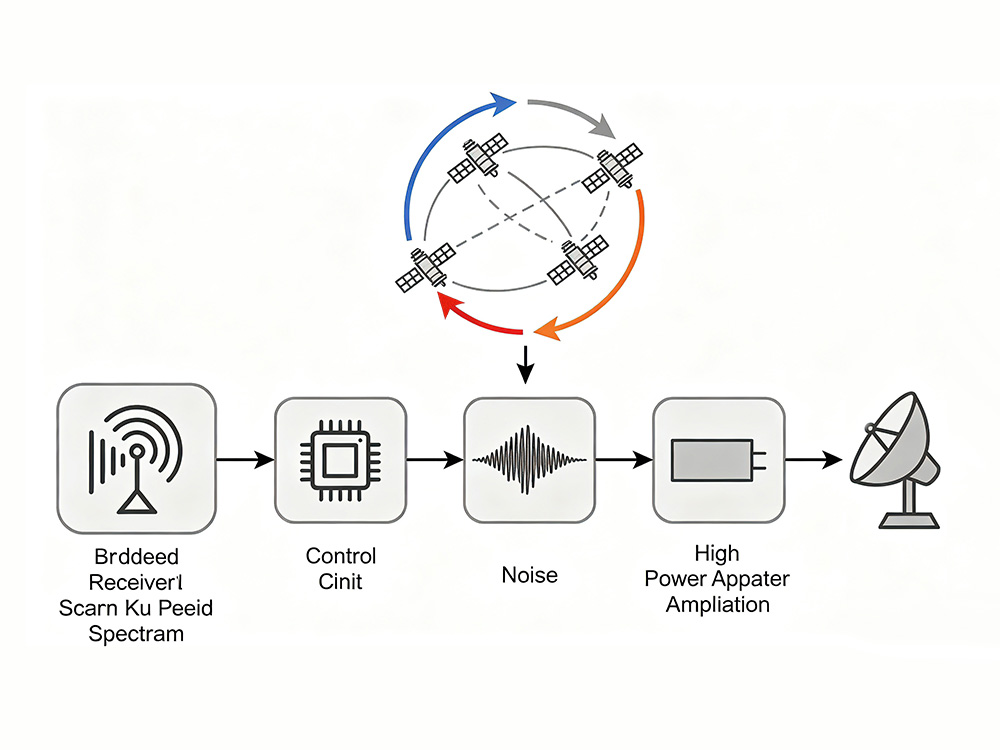
Signal Fundamentals
Starlink terminals operate in the Ku-band: 10.7–12.7 GHz for downlink and 14.0–14.5 GHz for uplink. The system uses phased-array beamforming and adaptive modulation. A jammer must detect the active frequency and inject enough power into that same band.
According to the official Starlink technology page, the constellation constantly switches beams and frequencies. Simple continuous-wave jammers often fail against this agility. Modern designs use wideband noise or fast frequency-hopping interference.
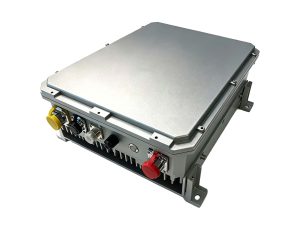
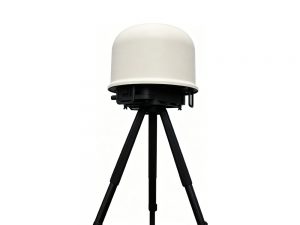
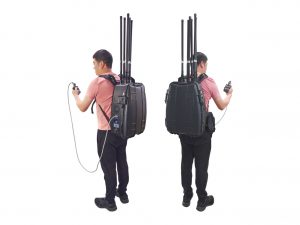
How Does a Starlink Jammer Work: Core Components
A functional jammer includes several critical parts:
| Component | Function |
|---|---|
| Wideband receiver | Scans and identifies Starlink downlink/uplink activity |
| Signal generator | Creates noise, tones, or modulated interference |
| High-power amplifier | Boosts the jamming signal to required wattage |
| Directional antenna | Focuses RF energy toward the target terminal |
| Control unit | Manages timing, power, and frequency hopping |
Step-by-Step Jamming Process
Understanding how does a Starlink jammer work requires examining the sequence:
-
Detection: The receiver scans 10.7–14.5 GHz and finds the terminal’s uplink bursts or downlink pilots.
-
Frequency lock: The system identifies the active channel and modulation pattern.
-
Waveform generation: The signal generator produces high-power noise or a deceptive signal.
-
Amplification: The amplifier raises output power, typically tens to hundreds of watts.
-
Directional transmission: The antenna points toward the terminal, creating a localized interference bubble.
Short bursts are preferred to reduce detection risk and conserve generator fuel.
Technical Limits
How does a Starlink jammer work under real-world constraints? The main challenge is power density over distance. Doubling the range requires roughly four times the transmit power. Terrain, rain, and buildings further attenuate signals.
Collateral interference is another issue. Jamming Ku-band can affect other satellite services, so military operators follow strict rules of engagement. Research in the IEEE Xplore digital library confirms that LEO downlink jamming is feasible only within limited geometric windows.
Conclusion
In summary, how does a Starlink jammer work? It combines detection, waveform generation, high-power amplification, and directional antennas to overwhelm Ku-band satellite links. While effective at short range, the system must overcome frequency agility, power limits, and spectrum management challenges. Defense engineers should focus on fast-reacting wideband architectures rather than simple constant jammers.