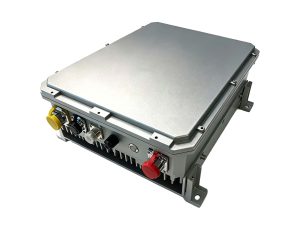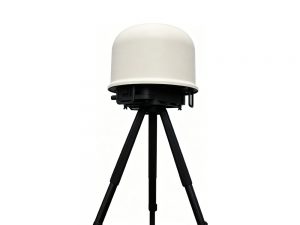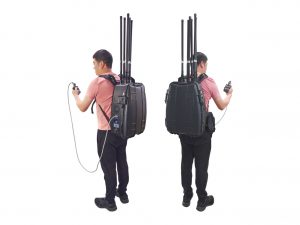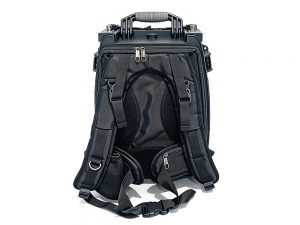
Developing a military-grade Starlink blocker supplier selection criteria is not a casual task. Procurement teams must weigh technical performance against legal exposure, environmental ruggedness, and long-term support. This guide provides a structured evaluation framework for defense integrators and spectrum-security specialists.
1. Compliance and Export Control Verification
The first filter in any military-grade Starlink blocker supplier selection criteria is legal authorization. Ask for ITAR or EAR classification documents, FCC experimental licenses, and end-user certificates. Suppliers without clear export paperwork create unacceptable legal risk. A DoFollow link to the U.S. Bureau of Industry and Security helps teams verify current export rules.
2. RF Performance Under Load
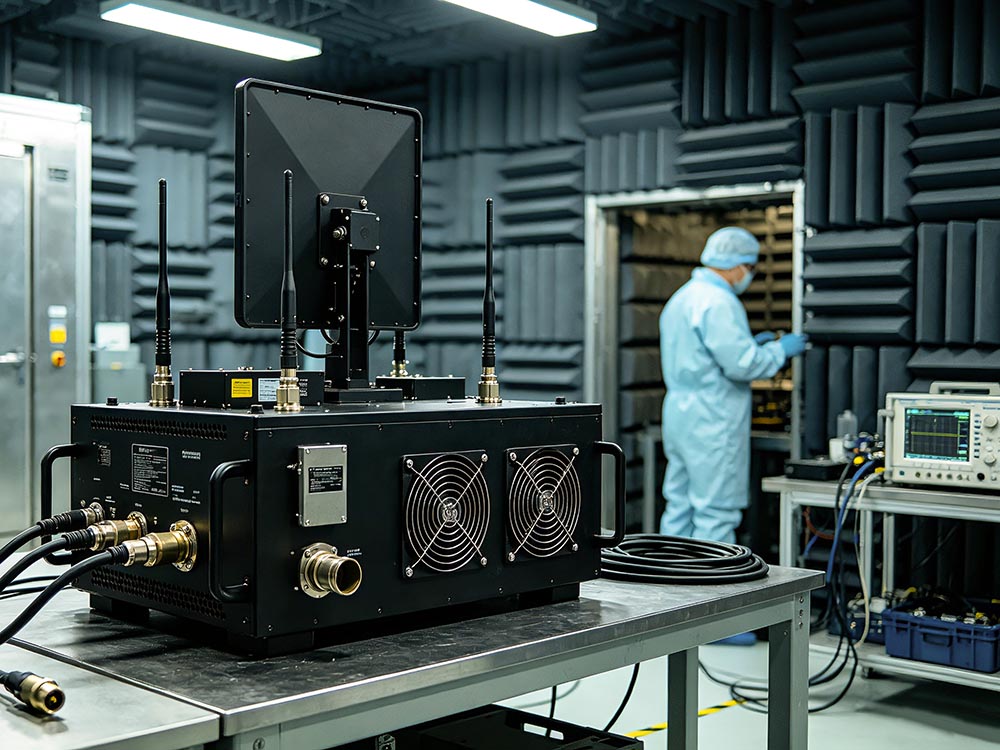
A blocking module must sustain output across Ku and Ka bands without thermal drift. Request third-party test reports showing ERP stability over 60-minute continuous runs. The military-grade Starlink blocker supplier selection criteria should include a minimum 150 W ERP for fixed installations, with harmonic suppression below -50 dBc. Portable units need lower output but faster frequency hopping.
3. MIL-STD Environmental Qualification
Field deployment demands shock, vibration, and temperature tolerance. Require MIL-STD-810G certification for humidity, salt fog, and altitude. Ask for IP67 or higher sealing on connectors. Without this, units fail in desert or maritime operations. This criterion often separates commercial jammers from true military-grade blockers.
4. Supply Chain Transparency
Your military-grade Starlink blocker supplier selection criteria must include component traceability. Verify that RF amplifiers and FPGAs come from authorized distributors, not gray-market brokers. Request a bill of materials (BOM) with country of origin for all critical parts. This reduces counterfeit risk and supports future maintenance.
5. Lifecycle Support and Firmware
Suppliers should offer at least five years of firmware updates and hardware repair. Ask about mean time between failures (MTBF) and spare-part lead times. A supplier that cannot provide a service-level agreement (SLA) for priority replacement should be disqualified.
Weighted Scoring Table for Supplier Evaluation
Below is a suggested weighting model for the military-grade Starlink blocker supplier selection criteria.
| Criterion | Weight | Pass Threshold |
|---|---|---|
| Compliance & export docs | 30% | Full package |
| RF performance | 25% | ≥150 W ERP, stable |
| MIL-STD qualification | 20% | MIL-STD-810G |
| Supply chain transparency | 15% | Complete BOM |
| Lifecycle support | 10% | 5-year SLA |
Final Decision Checklist
Shortlist suppliers that score above 80% on the weighted model. Visit the FCC jammer enforcement page before final procurement to confirm spectrum authorization. Always pilot-test a single unit before committing to a full fleet. A robust military-grade Starlink blocker supplier selection criteria protects both operational capability and legal standing.