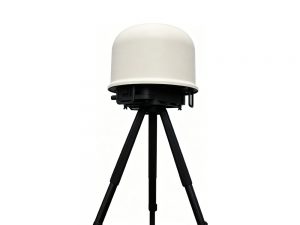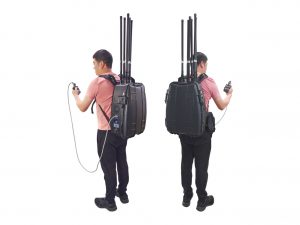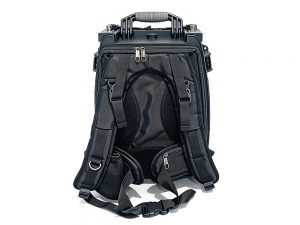
WASHINGTON — As Starlink expands its satellite internet footprint, search interest in “Starlink jammers” has grown alongside it. But under U.S. law, there is no legal consumer market for devices that intentionally block, disrupt, or degrade Starlink signals. The FCC regulates Starlink jammers through the same broad framework it uses for all radio frequency interference: jammers are illegal to operate, market, import, or sell.
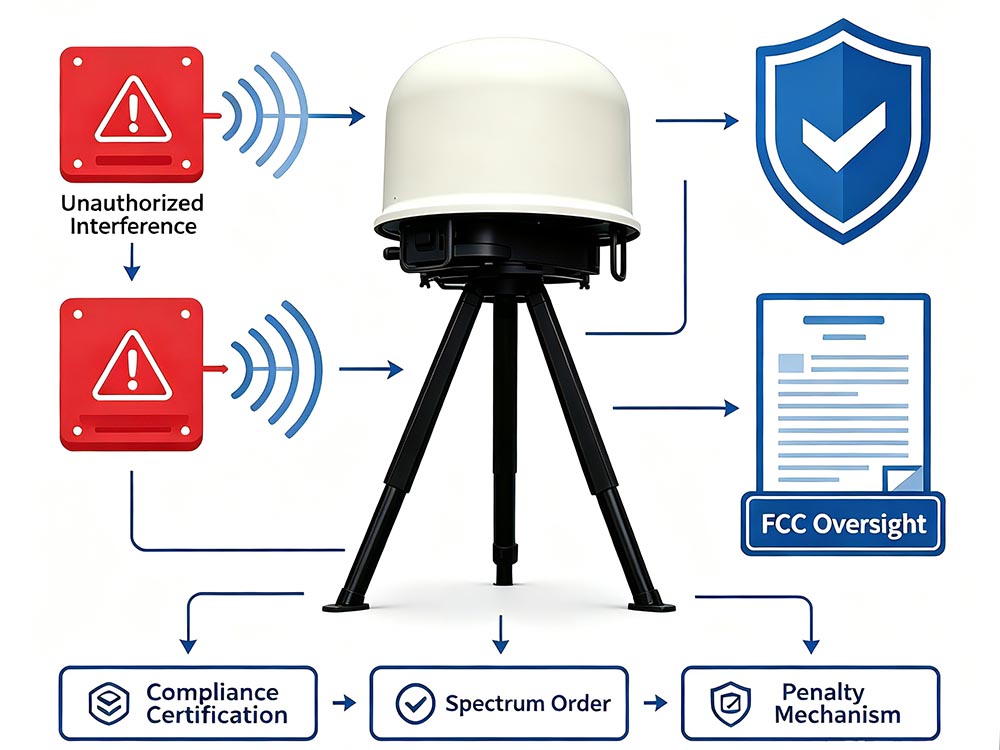
The short version: a “Starlink jammer” is not a certified product category. It is an interference device, and the FCC treats it accordingly.
No Legal Path for Starlink Jammers
The FCC has repeatedly stated that jamming devices are not authorized under any circumstances. That includes equipment aimed at satellite internet services such as Starlink. Starlink user terminals communicate with satellites in licensed spectrum, primarily in Ku- and Ka-band frequencies. A device designed to overpower or disrupt those links can interfere with licensed satellite operations and authorized earth stations.
That matters because Starlink is not just a consumer broadband service. Its network supports schools, first responders, maritime users, aviation, and remote enterprises. Interference can degrade service for many users at once, not just the intended target.
FCC Regulations on Starlink Jammers: Core Rules
There is no standalone “Starlink jammer rule” in the FCC’s rulebook. Instead, several long-standing authorities apply. The table below summarizes the key provisions.
| Rule or Authority | What It Covers | How It Applies to Starlink Jammers |
|---|---|---|
| 47 U.S.C. § 333 | Prohibits willful or malicious interference with licensed radio communications. | Jamming Starlink uplinks or downlinks can interfere with licensed satellite and earth station operations. |
| 47 U.S.C. § 301 | Requires an FCC license to transmit radio signals. | A jammer transmits without authorization, making operation illegal. |
| 47 U.S.C. § 302a and 47 CFR Part 2 | Sets equipment authorization and marketing rules. | Starlink jammers cannot receive FCC certification; import, sale, lease, offer, or shipment is prohibited. |
| FCC Enforcement Bureau | Investigates interference and pursues warnings, forfeitures, and seizures. | Users, retailers, and importers can face escalating federal enforcement. |
| Starlink licenses | SpaceX holds FCC authority for its NGSO satellite system and user terminals. | Interference may disrupt licensed service, network performance, and public safety communications. |
In practice, the FCC does not need a Starlink-specific rule to act. If a device causes harmful interference or is marketed as a jammer, the agency can pursue enforcement under its existing authority.
Enforcement: Warnings, Fines, and Seizures
The FCC’s Enforcement Bureau has a long history of targeting illegal jammers, including GPS, cellular, and Wi-Fi blockers. Starlink jammers fall into the same enforcement bucket. The agency can issue warnings, demand documents, conduct inspections, impose monetary forfeitures, and seek seizure of equipment.
Penalties can be severe. FCC forfeitures may reach six figures per violation, and criminal penalties can apply in serious cases. Online marketplaces and retailers are also on notice: offering a jammer for sale in the U.S. can trigger liability even if the device is shipped from overseas.
For Starlink users, the compliance message is simple. Do not buy, import, sell, or operate a jammer. If service problems occur, the proper path is to contact SpaceX support or report suspected interference to the FCC—not to deploy a signal blocker.
Compliance Checklist for Operators and Retailers
-
Retailers: Avoid listing “Starlink jammers,” “satellite signal blockers,” or similar devices. Marketing language alone can attract FCC scrutiny.
-
Importers: Do not ship unauthorized RF devices into the U.S. Jammers are not eligible for FCC equipment authorization.
-
Users: Operate only authorized Starlink terminals and accessories. Unauthorized transmitters can create legal and safety risks.
-
Satellite operators: Document interference incidents, preserve spectrum data, and coordinate with the FCC when harmful interference is suspected.
-
Platforms: Monitor third-party listings and remove products that promise to jam licensed satellite or wireless services.
Outlook
Expect the FCC to keep a close eye on Starlink-related interference as satellite constellations grow. The regulatory logic is unlikely to change: licensed spectrum must be protected, and intentional jamming is prohibited. For companies in the satellite and wireless ecosystem, the safest strategy is clear—treat “Starlink jammers” as illegal equipment, not as a niche product opportunity.