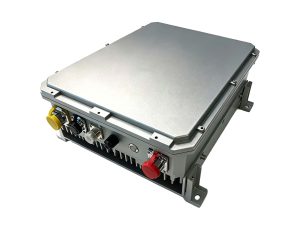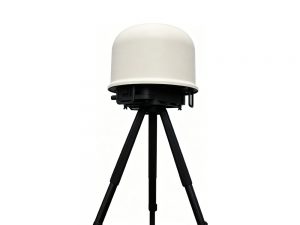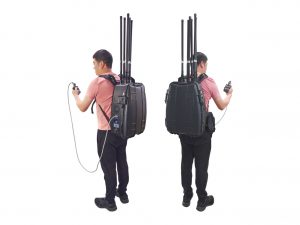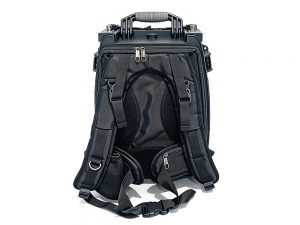
What is Volna Kupol Garant Russian Starlink jammer? These are three distinct mobile electronic warfare (EW) platforms deployed by Russian forces to degrade satellite communications, particularly SpaceX’s Starlink constellation. While often mentioned together, Volna, Kupol, and Garant serve different tactical roles. Understanding what is Volna Kupol Garant Russian Starlink jammer requires looking at their design, frequency coverage, and operational use in Ukraine.
Defining the Volna, Kupol, and Garant Systems
What is Volna Kupol Garant Russian Starlink jammer in plain terms? Volna is a lightweight man-portable jammer designed for short-range disruption of GPS and satellite uplinks. Kupol is a larger vehicle-mounted system that creates a protective bubble over a battalion-sized area. Garant is the newest addition, a networked system that detects and geolocates Starlink terminals before initiating targeted jamming. All three are produced by Russian defense contractors under the KRET umbrella, with technical specifications detailed by Janes Defence Equipment.
How These Jammers Target Starlink Uplinks
To grasp what is Volna Kupol Garant Russian Starlink jammer, one must understand the vulnerability of the uplink channel. Starlink user terminals transmit at only 2–4 watts. A mobile jammer emitting tens of watts in the same Ku-band frequency range can easily overwhelm that signal at the satellite receiver. The Russian systems do not need to destroy satellites; they simply raise the noise floor above the terminal’s power level. This approach aligns with the layered jamming tactics we discussed in whether frequency hopping can make Starlink immune to jamming.
Operational Range and Power Output
Different platforms offer different coverage areas. The table below summarizes reported capabilities, though exact specifications remain classified.
| System | Platform Type | Reported Range | Primary Target |
|---|---|---|---|
| Volna | Man-portable | 1–3 km | Handheld terminals, drones |
| Kupol | Vehicle-mounted | 10–20 km | Tactical command posts |
| Garant | Networked mobile | 30–50 km | Terminal geolocation and denial |
These figures come from open-source intelligence shared by CSIS Missile Defense Project, which tracks Russian EW deployments.
Battlefield Evidence from Ukraine
Reports from Ukrainian forces confirm that Starlink outages increased sharply after Russian units received these jammers. In some sectors, terminals lost connectivity for 30–60 minutes before reacquiring satellites. This pattern does not mean Starlink is defeated. Rather, it shows that what is Volna Kupol Garant Russian Starlink jammer amounts to in practice: a tactical suppression tool that forces users to relocate or wait out the interference.
Comparison of the Three EW Platforms
While often grouped, each system has a unique role. Volna is best suited for point defense against small drones that rely on Starlink-like links. Kupol protects larger formations by creating a wide-area denial zone. Garant adds a hunter-killer capability—it first pinpoints the terminal’s emission, then directs narrowband jamming at that exact location. This differentiation matters for anyone asking what is Volna Kupol Garant Russian Starlink jammer as a combined capability.
Countermeasures and Limitations
These jammers are not invincible. Starlink’s software updates have introduced dynamic beam steering and faster frequency agility, reducing jammer dwell time. Russian EW units also face detection risk—any powerful emitter becomes a target for artillery or drones. For broader strategic context on Starlink’s military role, see our earlier article on why China views Starlink as a military threat.
Key Takeaways
What is Volna Kupol Garant Russian Starlink jammer? It is a family of ground-based EW systems designed to exploit the power asymmetry between low-power user terminals and high-power jammers. They do not render Starlink useless, but they force operators to adapt constantly. Future upgrades to both sides will likely focus on autonomous nulling antennas and AI-driven jamming waveforms, keeping this EW contest dynamic.