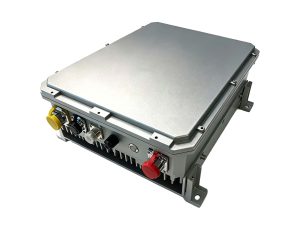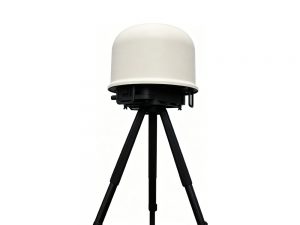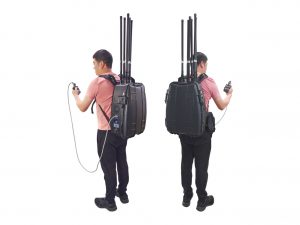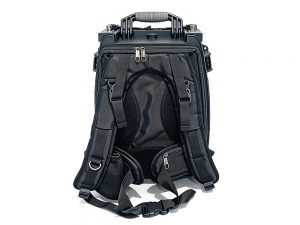
What Is a Starlink Terminal Detection and Locating System?
A Starlink terminal detection and locating system buying guide helps security teams, defense agencies, and RF engineers evaluate tools that identify active Starlink user terminals. These systems detect uplink signals in the Ku-band, estimate direction of arrival, and sometimes pinpoint coordinates using multiple sensor nodes. Unlike generic Wi-Fi or cellular scanners, Starlink-specific hardware must handle phased-array emissions, frequency hopping, and low probability of intercept characteristics.
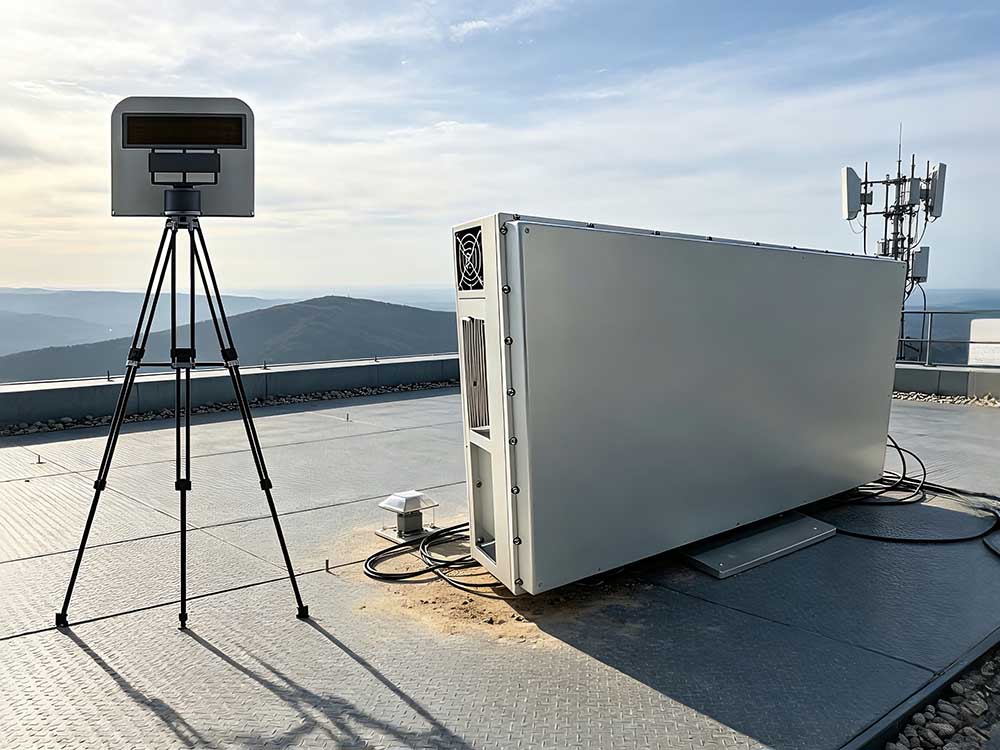
The goal is not to disrupt service but to locate unauthorized or unregistered terminals within a controlled area. Applications include border monitoring, critical infrastructure protection, and spectrum enforcement.
Why Invest in Detection Hardware?
Starlink terminals are compact, easy to hide, and can operate from moving vehicles or remote sites. Standard RF detectors often miss these signals because the terminal only transmits when actively sending data. A dedicated system improves situational awareness by focusing on Ku-band uplink signatures and using advanced signal processing.
Key operational benefits:
-
Early warning of unauthorized satellite communication
-
Geolocation of terminals without physical access
-
Integration with existing command-and-control platforms
-
Reduced false alarms compared to broadband scanners
Key Buying Factors for Detection Systems
Frequency Range and Bandwidth
Check that the receiver covers the full Starlink uplink range, typically 14.0–14.5 GHz. Some systems also monitor 10.7–12.7 GHz downlink for confirmation. Wide instantaneous bandwidth reduces sweep time and improves probability of intercept.
Direction-Finding Accuracy
Look for systems with a bearing accuracy of 2–5 degrees RMS or better. Multi-antenna arrays, correlative interferometry, or TDOA networks provide better results than single-antenna power detectors.
Portability and Deployment Time
Handheld units weigh under 5 kg and start scanning in minutes. Fixed or vehicle-mounted systems offer higher sensitivity but require more setup. Decide whether you need rapid deployment or continuous monitoring.
Software, Alerts, and Data Logging
The best systems include geospatial mapping, automated alerts, and recording for later analysis. Open APIs allow integration with security platforms like video management systems or drone detection suites.
Legal and Regulatory Compliance
Before purchasing, consult FCC spectrum enforcement rules and ITU recommendations on passive monitoring. In many jurisdictions, locating terminals is legal, but decoding user data is not. Ensure your vendor provides compliance documentation.
Integration with Existing Security Networks
Choose a system that can export data via JSON, XML, or KML formats. This simplifies fusion with radar, camera, and electronic warfare tools. Internal links to related articles on our site, such as RF detection equipment for satellite signals, can guide additional research.
Budget and Total Cost of Ownership
Handheld detectors start around $15,000, while networked TDOA systems exceed $100,000. Include training, software licenses, and maintenance in your cost model. Avoid cheap broadband receivers marketed as “Starlink finders” without proper direction-finding capability.
Comparison of Common Detection Methods
| Method | Range | Accuracy | Portability | Typical Use |
|---|---|---|---|---|
| Handheld power detector | 500 m – 2 km | Low (presence only) | Very high | Tactical sweeps |
| Correlative interferometer | 1–5 km | 2–5° RMS | Medium | Vehicle-mounted patrol |
| TDOA network | 5–20 km per node | 50–200 m CEP | Low (fixed) | Border or facility perimeter |
| UAV-based sensor | 1–3 km | 10–50 m | High | Search and rescue |
Table: Common methods for Starlink terminal detection and locating system selection.
Final Checklist
-
Confirm coverage of 14.0–14.5 GHz uplink band.
-
Verify bearing accuracy with real-world test data.
-
Request a demo with an actual Starlink terminal.
-
Review software export and alerting options.
-
Check legal compliance in your operating region.
-
Plan for operator training and spare parts.
For deeper technical background, refer to Rohde & Schwarz spectrum monitoring solutions or academic papers on satellite uplink geolocation. Use this buying guide as a baseline, then request vendor benchmarks against your specific threat model.