Can Starlink be jammed by a portable device? The short answer is yes, but only under very narrow conditions that most hobbyists cannot easily meet. Starlink uses phased-array antennas and spread-spectrum techniques across Ku and Ka bands, making casual interference much harder than jamming a Wi-Fi router or GPS receiver.
Technical Feasibility of Jamming Starlink with a Portable Device
To understand whether can Starlink be jammed by a portable device, you need to look at power and distance. Starlink downlinks operate between 10.7 and 12.7 GHz. A portable jammer must emit enough power in that band to overwhelm the signal at the user terminal. Typical portable jammers output 0.1 to 5 watts. At 10 meters, a 1-watt jammer can raise the noise floor by 30–40 dB, which often exceeds the Starlink terminal’s receive threshold. However, the jammer must be very close—usually within 20–50 meters—because path loss at 12 GHz is severe.
Range and Power Comparison
| Jammer Type | Output Power | Effective Range vs Starlink | Portability |
|---|---|---|---|
| USB-style noise generator | 0.1–0.5 W | Under 10 meters | Pocket-sized |
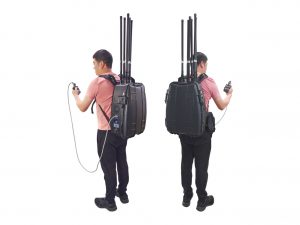
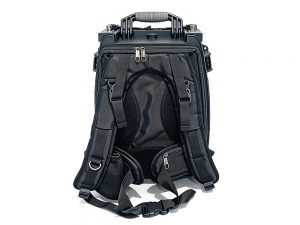
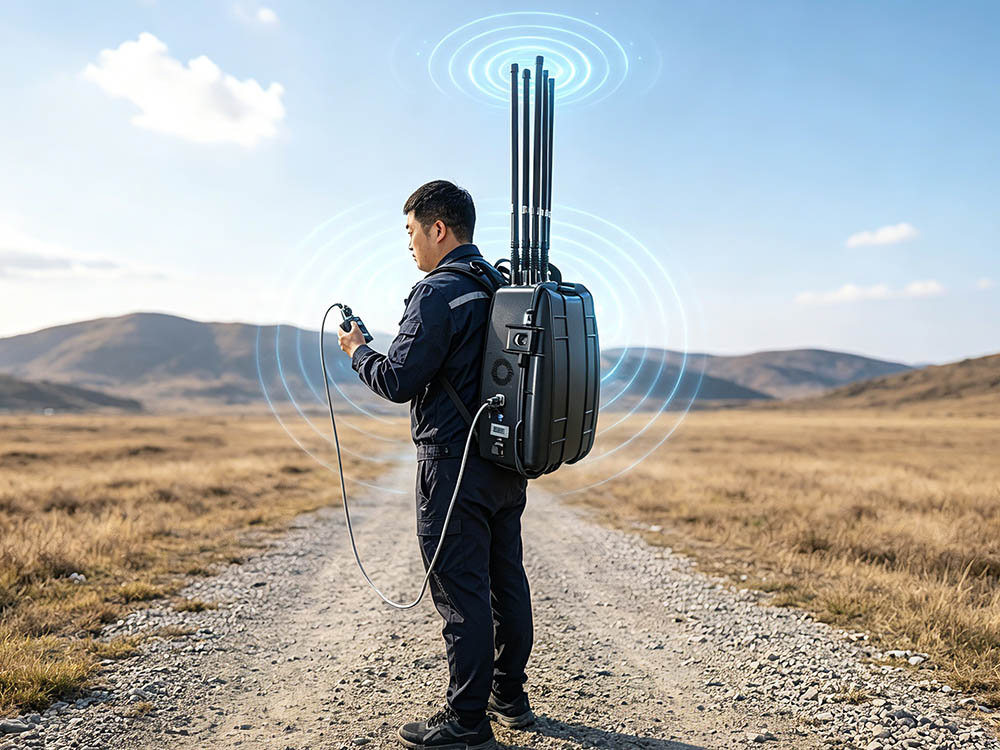
| Battery-powered wideband jammer | 1–5 W | 20–50 meters | Backpack-sized |
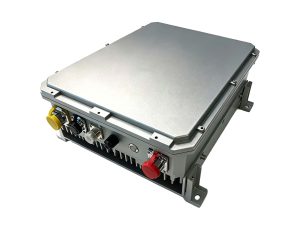
| Vehicle-mounted jammer | 10–50 W | 100–300 meters | Not portable |
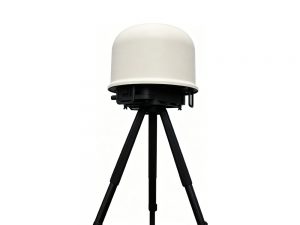
| Lab-grade directional jammer | 100+ W | 500+ meters | Fixed installation |
The table shows that while the question “can Starlink be jammed by a portable device” has a theoretical yes, the practical range is extremely limited. Most consumer portable devices lack the antenna gain and sustained power to affect a dish mounted on a roof or vehicle.
Types of Portable Jammers That Could Target Starlink
Not all portable jammers are equal. Broadband noise jammers cover a wide frequency range but spread their power thinly. A 5-watt jammer covering 2–18 GHz delivers only milliwatts per megahertz, which is rarely enough to block Starlink’s adaptive modulation. Swept-frequency jammers concentrate power in a narrow band at any instant but may miss the exact downlink channel. The most dangerous type is a portable software-defined radio (SDR) with a power amplifier tuned to 10.7–12.7 GHz. This can produce a strong continuous wave or pulsed signal that closely matches Starlink’s frequency plan.
Even so, Starlink terminals continuously hop between satellites and adjust beamforming. A portable jammer must track those changes in real time, which requires expensive equipment and technical skill. This is why casual interference remains rare.
Real-World Limits for Portable Jamming
Several physical and operational factors make portable jamming against Starlink unreliable. First, the user terminal’s phased-array antenna has high directivity. It focuses its receive pattern on the sky, rejecting ground-based signals from the sides and below. A portable jammer on the ground sits in the antenna’s null region, reducing its effective power by 20–30 dB. Second, Starlink uses frequency hopping and robust error correction. Even if some packets are lost, the link often survives at reduced speed rather than failing completely.
Third, terrain and walls block high-frequency signals quickly. A portable jammer hidden in a backpack may work in an open field but fail inside a building or behind a hill. For a more detailed detection guide, see our article on <a href=”/detect-starlink-jamming/”>how to detect if Starlink is being jammed</a>.
Legal Consequences of Using a Portable Jammer
In almost every country, operating a jammer is illegal. The U.S. Federal Communications Commission states that “the use of phone jammers, GPS jammers, or other signal jamming devices designed to intentionally block, jam, or interfere with authorized radio communications is a violation of federal law.” Penalties can exceed $100,000 per violation and include criminal prosecution. The FCC jammer enforcement page provides case examples. Similarly, the European Union and most Asian countries impose heavy fines and equipment seizure. Even possessing a portable jammer without using it can be a crime in some jurisdictions.
Protection Steps if You Suspect Portable Jamming
If you believe a portable device is interfering with your Starlink service, first move the terminal to a higher location or a different side of the building. This increases the distance from any ground-based source and improves the antenna’s rejection of terrestrial signals. Second, check the Starlink App for SNR and ping drop patterns. Third, use a spectrum analyzer or SDR to spot unusual carriers in the 10.7–12.7 GHz band. Finally, report the incident to your national regulator and to Starlink support.
Conclusion
So, can Starlink be jammed by a portable device? Yes, in theory, but only with specialized equipment used at close range against a poorly positioned terminal. The combination of phased-array directivity, frequency agility, and legal risk makes portable jamming impractical for most attackers. Understanding these limits helps you assess real threats and take simple protective steps without unnecessary alarm.