As searches for Starlink jammer warranty and after-sales support rise, a quiet industry is confronting an uncomfortable truth. Devices marketed as Starlink jammers are illegal to sell, own, or operate in many countries, including the United States and much of the European Union. That legal reality shapes everything about warranties, returns, repairs, and customer service.
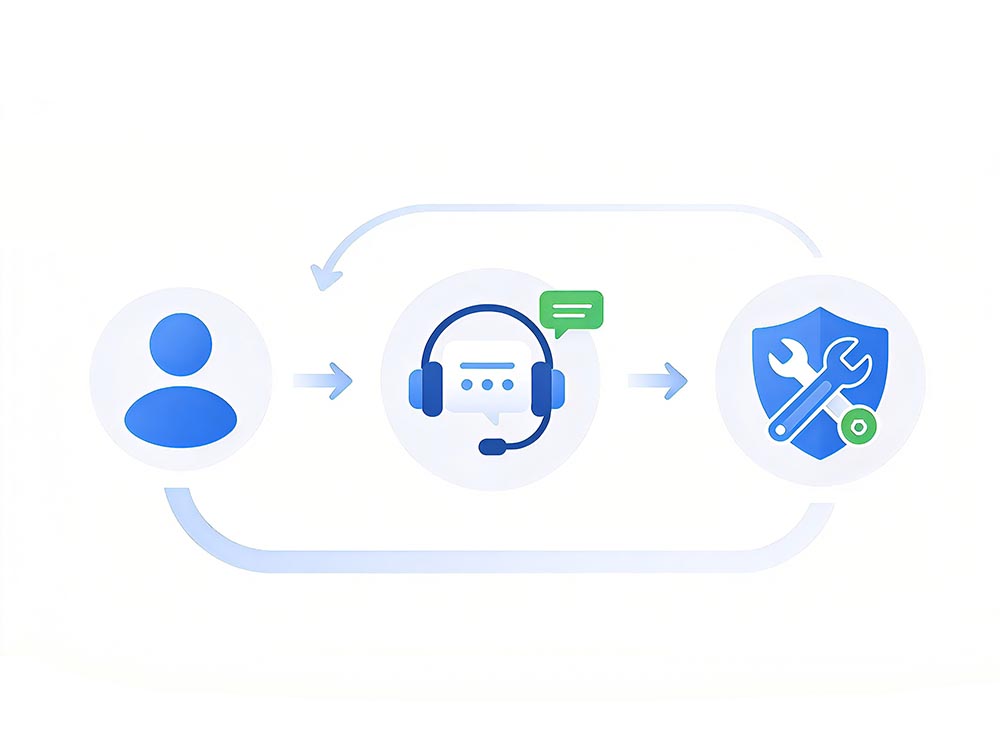
Buyers may receive a card, a chat channel, or a one-year “replacement guarantee.” Enforcing it is another matter.
Key takeaways
-
No authorized Starlink jammer warranty program exists in most markets.
-
After-sales support is usually informal, cross-border, and difficult to enforce.
-
Legal seizure, fines, and customs issues are rarely covered.
-
Payment disputes and privacy risks often outweigh repair value.
-
Regulatory pressure is making support less accountable, not more.
A market shaped by regulatory risk
Radio interference devices are tightly regulated. Jammers can disrupt licensed communications, emergency services, aviation, and public networks. Regulators impose fines, seize equipment, and in some cases pursue criminal penalties.
Because of this, mainstream manufacturers and distributors do not offer authorized Starlink jammer warranty programs. Any coverage comes from a grey-market seller, often operating anonymously through a website, marketplace listing, or encrypted chat. After-sales support is therefore not a standard consumer service. It is a private promise with limited recourse.
What a warranty actually covers
| Aspect | Typical grey-market claim | Practical reality |
|---|---|---|
| Coverage period | 6–12 months | Seller may disappear; no manufacturer backing |
| Defect repair | Replacement or partial refund | Buyer pays return shipping; customs seizure risk |
| Water or firmware damage | Often excluded | Difficult to prove; no authorized service centers |
| Legal seizure | Rarely covered | Regulators treat device as contraband; no compensation |
| Software updates | “Lifetime support” | May stop without notice; compatibility not guaranteed |
| Data privacy | Not addressed | Support chats can expose buyer identity and location |
After-sales support models
Grey-market Starlink jammer after-sales support generally falls into four categories:
-
Anonymous reseller chat. Fast before payment, slow after delivery. Buyers may be asked for video proof, then offered a discount on a future order instead of a repair.
-
Marketplace storefront. Platform buyer protection may apply if the listing is not prohibited. But listings are often removed, and claims can be denied for prohibited items.
-
Local installer or technician. Cash-based support with no formal warranty. Both parties face legal exposure.
-
Telegram or forum groups. Peer advice with no enforceable coverage and a high risk of scams.
Why claims fail
Several forces work against buyers seeking service:
-
Prohibited item policies. Payment processors and marketplaces may freeze transactions or remove listings.
-
Cross-border logistics. Returning a jammer can trigger customs questions and seizures.
-
Identity concerns. Buyers often avoid formal complaints because they fear legal consequences.
-
No authorized repair network. Unlike consumer electronics, there are no certified Starlink jammer service centers.
-
Legal voiding. Using a jammer may violate laws and terms of service, weakening any implied coverage.
Regulatory pressure and the future of support
Regulators are increasing enforcement. In recent years, authorities in several countries have issued warnings, conducted seizures, and fined operators. This pushes sellers toward ephemeral websites and encrypted apps. The result is less accountability, not more.
Some sellers now advertise “no warranty, no support” to reduce risk. Others bundle “insurance” that is not insurance. Industry analysts expect after-sales support to become more fragmented, with buyers relying on informal fixes or accepting losses.
For legitimate satellite communications, manufacturers emphasize authorized channels and warranty service. Starlink itself does not authorize jammers, and its terms prohibit interference. A Starlink jammer warranty is therefore not a manufacturer program. It is a seller promise with limited enforcement.
What buyers and channel partners should watch
-
Legal status in the destination country.
-
Seller identity and whether a contract is enforceable.
-
Payment method and dispute options.
-
Return address and customs risk.
-
Whether support requires sharing location or device identifiers.
-
Total cost of ownership, including potential fines.
The bottom line
The phrase Starlink jammer warranty and after-sales support suggests a normal consumer electronics market. It is not. It is a grey-market service niche where legal risk, anonymity, and regulatory enforcement override customer protection.
Until laws change—or such devices become legal—buyers should expect limited support and no reliable warranty. For industry observers, the story is less about technology than about the limits of after-sales service in prohibited markets.