Deployment generally requires technicians certified by our factory, or client personnel with a foundational RF engineering background, depending on system complexity:
-
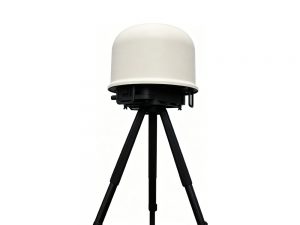
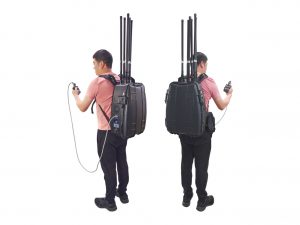
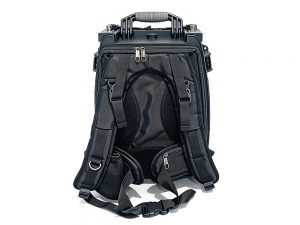
Portable/Manpack Units: Designed for single-operator deployment. Setup only requires unfolding the tripod and orienting the antenna roughly toward the target sky sector using a compass and inclinometer. The control panel offers one-touch preset jamming modes; deep technical background is not essential. However, safety-distance assessment still requires training.
-
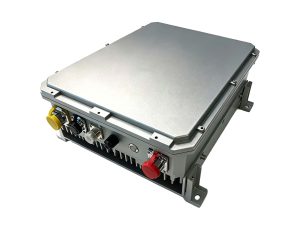
Vehicle-Mounted Systems: Typically integrated into shelters or vehicle platforms. Installation involves mounting the antenna mast on the vehicle, connecting power cables (AC/DC), and setting up the in-vehicle control panel. Basic knowledge of automotive electrics and RF cabling is required.
-
Fixed High-Power Stations: This level constitutes an engineering project. Installation includes structural reinforcement of antenna towers or rooftops, laying waveguide or low-loss RF cables, building cooling and power infrastructure (potentially three-phase industrial power), constructing lightning protection and grounding systems, and commissioning the remote fiber-optic link between the equipment room and the operations center. This must be carried out jointly by licensed structural engineers, electricians, and field engineers dispatched or authorized by our factory.
All system deliveries include comprehensive installation manuals, CAD antenna pattern plots, and remote video guidance support. Final RF alignment and mode verification for fixed stations should ideally be conducted on-site by our factory engineers to ensure performance specifications are met.