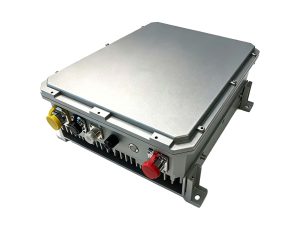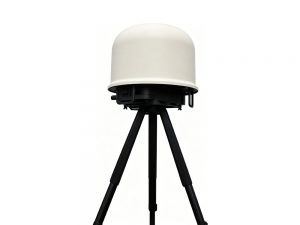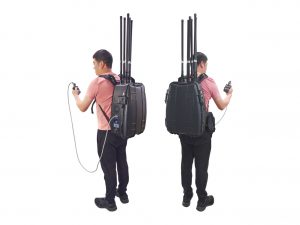
Starlink jammer price range and cost factors are two of the most searched—and most misunderstood—topics in the RF hardware market. If you expect a clean price list, the first thing to know is that legitimate manufacturers do not publish one. In most countries, a device designed to interfere with licensed satellite communications cannot be legally sold, certified, or imported. That single fact changes every number that follows.
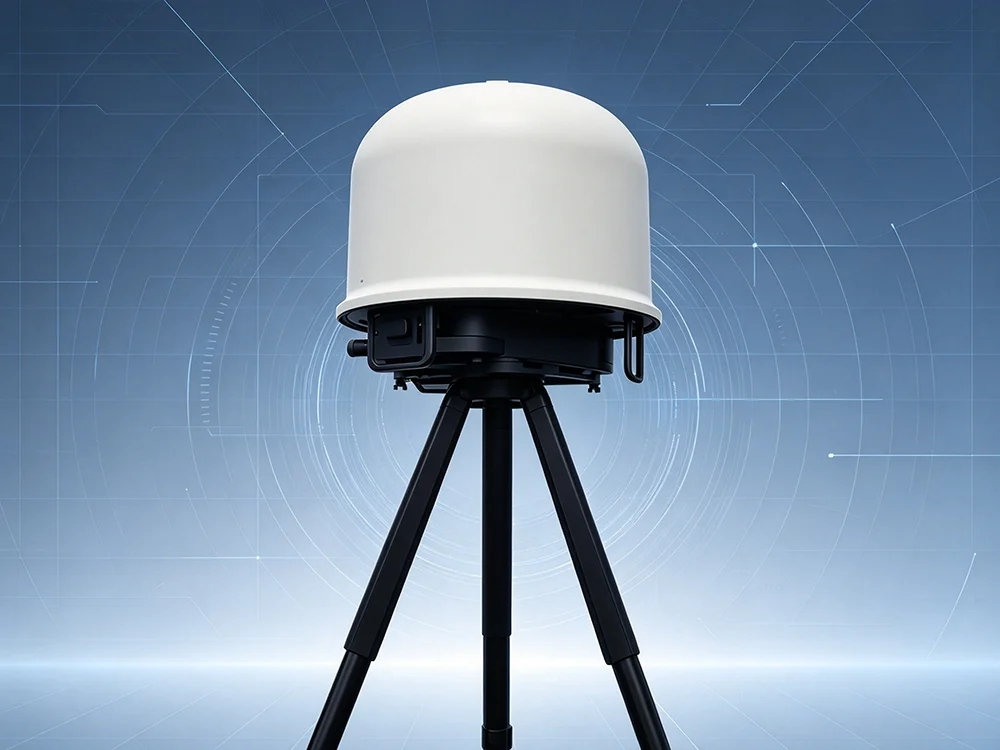
Why there is no official Starlink jammer price list
Legal status drives pricing
Radio interference is not a normal product feature. The FCC states clearly that jamming devices are illegal to operate, market, or sell in the United States. Similar rules exist across the EU, UK, Australia, and most other markets. Because no legitimate certification path exists, there is no manufacturer’s suggested retail price, no distributor price sheet, and no authorized OEM/ODM quote.
Certification gap
A lawful RF product usually carries FCC, CE, UKCA, or equivalent approval. A Starlink jammer cannot obtain that approval because its intended function is harmful interference. Without certification, customs officers can seize shipments, market surveillance authorities can order recalls, and buyers have no warranty protection.
Export controls
Satellite interference hardware can also trigger export-control and sanctions reviews. That adds legal and logistics costs that gray-market sellers rarely mention. For a deeper look at the supply-chain side, see our guide to Starlink jammer OEM and ODM services.
Reported Starlink jammer price range: what gray-market listings suggest
The table below summarizes unverified listings and forum claims. It is not a buyer’s guide. It is a warning about how inconsistent and risky this market is.
| Category | Reported gray-market range | What drives the number |
|---|---|---|
| Low-power single-band | $300–$1,500 | Cheap RF modules, minimal cooling, no certification |
| Multi-band portable | $1,500–$5,000 | Wider frequency coverage, batteries, housing |
| Vehicle or marine high-power | $5,000–$20,000+ | High output, amplifiers, antennas, thermal design |
| Custom OEM/ODM quote | Often “contact us” | No verifiable factory, no compliance file, high fraud risk |
| Legal penalties | $100,000+ and criminal exposure | Fines, forfeiture, possible imprisonment |
Why quotes vary so wildly
Two sellers may quote very different prices for the same “Starlink jammer” because the hardware is not standardized. One may use a low-quality amplifier that overheats in minutes. Another may claim high power but deliver far less. Neither can provide a valid equipment authorization.
The cheapest option is rarely the real cost
A $400 device may seem attractive, but it often lacks filtering, shielding, and thermal protection. It can drift into other frequencies, disrupt emergency communications, and attract regulatory attention. In enforcement cases, the fine alone can exceed the price of a legitimate RF test system by a wide margin.
7 crucial Starlink jammer cost factors
If you analyze the hardware alone, seven factors dominate the Starlink jammer price range and cost factors discussion.
| # | Cost factor | Impact on price | Compliance note |
|---|---|---|---|
| 1 | RF output power | Higher power needs better amplifiers and cooling | More power means more interference risk |
| 2 | Frequency coverage | Multi-band designs cost more | Starlink bands are licensed |
| 3 | Antenna design | Directional or phased arrays raise cost | Antennas can increase harmful range |
| 4 | Cooling and ruggedization | Fans, heatsinks, IP-rated enclosures add cost | Outdoor use increases legal exposure |
| 5 | Power supply and batteries | Portable units need safe cells and management | Transport rules may apply |
| 6 | Control software and integration | GUI, remote control, logging add engineering hours | Logs can become evidence |
| 7 | Compliance, export, and legal review | Legitimate projects require licenses and counsel | Jammer projects cannot pass this step |
1. RF output power
Power is the most visible cost driver. A 10 W amplifier is inexpensive. A 100 W system requires heavier heatsinks, larger power supplies, and better filtering. It also creates a larger interference footprint, which increases the chance of detection.
2. Frequency coverage
Starlink uses Ku-band and Ka-band spectrum, among other frequencies. Covering multiple bands requires multiple RF chains. Each additional band adds filters, oscillators, and testing time. That is one reason portable multi-band listings jump in price.
3. Antenna design
A simple patch antenna costs little. A directional or phased-array antenna can cost thousands. The antenna also shapes how the signal travels, which affects both performance and legal risk.
4. Cooling and ruggedization
Jammers generate heat. Without proper cooling, amplifiers fail. Outdoor or vehicle-mounted units need weatherproof enclosures, vibration resistance, and thermal management. These are real engineering costs—but they do not make the product legal.
5. Power supply and batteries
Portable units need lithium batteries, battery management systems, and chargers. High-drain cells can be expensive and may face shipping restrictions. Vehicle systems need alternator compatibility and surge protection.
6. Control software and integration
Modern RF hardware often includes software for frequency selection, power control, and monitoring. This adds development cost. It also creates records that regulators or courts can request.
7. Compliance, export, and legal review
This is the factor that legitimate manufacturers cannot solve. A lawful product needs certification, labeling, and market approval. A jammer cannot obtain those approvals. Export controls and sanctions can add further layers.
The hidden cost: enforcement and penalties
The FCC has repeatedly warned that jamming devices can interfere with public safety, aviation, and emergency response. The ITU Radio Regulations also require protection of authorized radio services. For official context, see the FCC’s jammer enforcement page and the ITU’s spectrum management resources.
Penalties can include:
-
Six-figure fines
-
Equipment seizure and forfeiture
-
Criminal charges in some jurisdictions
-
Civil liability from affected users
-
Loss of import privileges
For a company, the reputational cost can be even higher. Banks, insurers, and enterprise customers may terminate relationships after an enforcement action.
Lawful alternatives with real price lists
If the goal is testing, monitoring, or resilience, there are compliant options. These products have transparent pricing because they can be legally sold.
| Lawful need | Typical cost range | Why it is legal |
|---|---|---|
| Shielded RF enclosure | $5,000–$50,000+ | Contains signals; no over-the-air interference |
| Spectrum monitoring receiver | $1,000–$30,000+ | Receives only; does not jam |
| GNSS/satellite simulator | $10,000–$100,000+ | Lab testing in a controlled environment |
| Authorized counter-UAS system | Government-approved pricing | Used only under specific legal authority |
| RF engineering consultation | $150–$500 per hour | Helps with compliance and design review |
These solutions do not carry the same search appeal as a “Starlink jammer price range,” but they deliver defensible results. They also come with documentation that procurement teams and regulators can accept.
Conclusion
The Starlink jammer price range and cost factors cannot be separated from the law. Gray-market quotes exist, but they come with no certification, no warranty, and severe legal risk. Legitimate RF manufacturers focus on compliant test equipment, shielded systems, and spectrum monitoring. If you need a real budget, start with a lawful solution—and leave the illegal price list where it belongs: in the enforcement files.